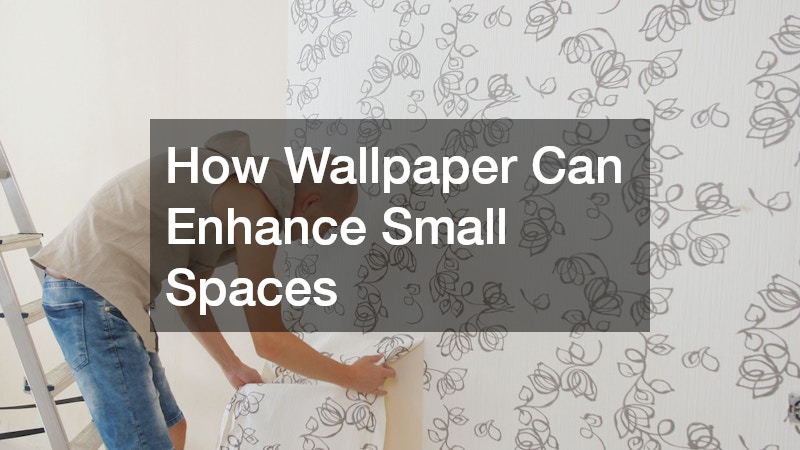
Decorating small spaces can sometimes feel challenging. Limited square footage may make it difficult to incorporate design elements without overwhelming the room. However, thoughtful design choices can transform even the smallest areas into stylish and functional spaces. One design element that continues to grow in popularity is wallpaper. With the right pattern, color, and placement, wallpaper can enhance small rooms and create a visually appealing environment.
Many homeowners assume that bold wall treatments should be avoided in compact spaces. In reality, carefully selected wallpaper can make a room feel larger, brighter, and more interesting. By understanding how patterns, colors, and textures work together, you can use wallpaper to bring depth and character to smaller areas of your home.
Adding Depth and Visual Interest
Small rooms often lack architectural features or large areas for decorative elements. Wallpaper provides an opportunity to add visual interest without requiring additional furniture or accessories. A patterned wall can immediately draw attention and become the focal point of the room.
Using wallpaper with subtle patterns or textures can help create a layered look that adds depth to the space. Instead of flat, plain walls, textured designs can make a room feel more dynamic. This added visual dimension can help prevent a small room from feeling dull or cramped.
Accent walls are a popular option for smaller spaces. Applying wallpaper to one wall while keeping the others neutral allows homeowners to introduce pattern and personality without overwhelming the room.
Using Vertical Patterns to Create Height
One effective technique for enhancing smaller rooms is selecting wallpaper with vertical patterns. Vertical lines or elongated designs can draw the eye upward, making ceilings appear higher than they actually are.
This visual effect helps create the illusion of additional height, which can make a room feel more open and spacious. Narrow hallways, powder rooms, and small bedrooms often benefit from vertical wallpaper designs because they encourage the eye to move upward.
Even subtle vertical patterns can make a noticeable difference. When applied thoughtfully, wallpaper can transform how the proportions of a room are perceived.
Brightening the Space With Light Colors
Color selection plays a major role in how a small room feels. Light colors tend to reflect more natural and artificial light, helping a space appear brighter and more open.
Wallpaper in soft tones such as light gray, cream, pale blue, or muted green can brighten a room while still adding texture and interest. These shades provide the benefits of pattern and design while maintaining a calm and balanced atmosphere.
Choosing lighter wallpaper designs can also help small rooms feel less enclosed. Reflective finishes or subtle metallic details may further enhance the sense of brightness by bouncing light around the room.
Creating a Focal Point in Compact Rooms
Small rooms benefit from having a clear focal point. Without one, the space may feel cluttered or visually disorganized. Wallpaper can help establish that focal point while adding style and personality.
For example, placing wallpaper behind a bed in a small bedroom or behind a vanity in a bathroom can draw attention to that area. This design approach helps anchor the space and gives the room a sense of structure.
Bold patterns can be used effectively in these situations when applied carefully. A well-chosen wallpaper design can turn a plain wall into a statement feature that enhances the overall look of the room.
Enhancing Narrow Spaces and Hallways
Hallways and other narrow areas are often overlooked in interior design, but they provide excellent opportunities to incorporate wallpaper. Because these areas typically have limited furniture, wallpaper can serve as the primary decorative element.
Using wallpaper with repeating patterns or geometric designs can add movement and interest to long corridors. These patterns help guide the eye through the space, making it feel more intentional and visually appealing.
Wallpaper can also help define transitional spaces in the home. For example, a decorative hallway can create a seamless connection between rooms while adding character to an otherwise simple area.
Small spaces do not have to feel limited when it comes to design. With thoughtful planning, wallpaper can transform compact rooms into stylish and inviting areas of the home. By adding depth, creating focal points, and introducing color or pattern, wallpaper offers a versatile solution for enhancing smaller interiors.
Whether used on an accent wall, throughout a narrow hallway, or as a subtle textured backdrop, wallpaper can bring personality and visual interest to spaces of all sizes. With the wide range of designs available today, homeowners have countless options for customizing their interiors.
By choosing the right wallpaper patterns and colors, even the smallest rooms can feel brighter, more spacious, and full of character.