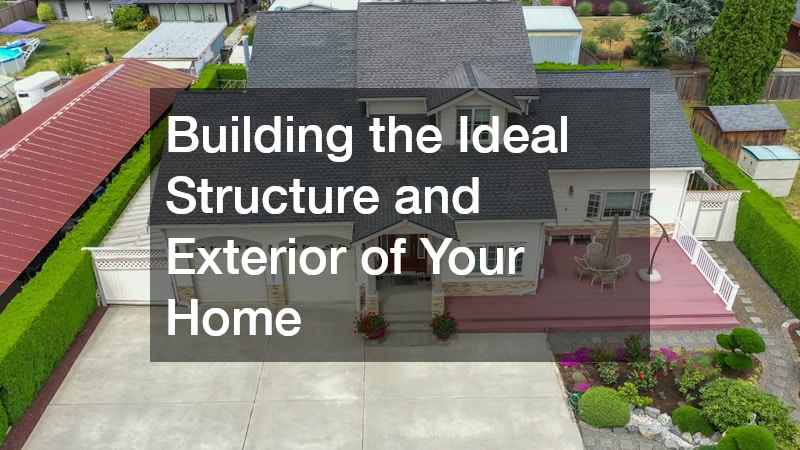
Renovating the exterior of your home is an exhilarating venture. It offers the dual reward of dramatically boosting your property’s curb appeal while fundamentally improving its structural resilience. However, many homeowners jump into exterior remodeling without a clear, logical sequence of operations. This haphazard approach often leads to costly, frustrating mistakes—such as laying a pristine new sod lawn only to have it torn up a month later by heavy machinery brought in to fix a leaky roof, or installing beautiful new siding only to realize the underlying foundation required extensive excavation.
To maximize your return on investment and avoid project delays, you must treat your home’s exterior as an interconnected ecosystem. Every component, from the peak of your roof to the soil surrounding your basement walls, relies on the integrity of the components around it. This comprehensive guide details a master blueprint for planning, sequencing, and executing your exterior home projects, ensuring each upgrade protects and enhances the next.
Roof and Foundation Defense
The absolute first priority of any exterior renovation plan must be defense against water infiltration. Water is the single most destructive force a house faces. Before spending a dollar on cosmetic upgrades, you must ensure that the top and the bottom of your home’s structural envelope are entirely secure.
Starting at the lowest point of your home, soil stabilization and moisture management are critical. Over time, hydrostatic pressure from groundwater can force moisture through solid concrete walls, leading to mold, bowing walls, and severe structural failure. Addressing these issues requires professional foundation waterproofing services to excavate around the perimeter, apply elastomeric membranes, install French drains, and properly direct water away from the footings.
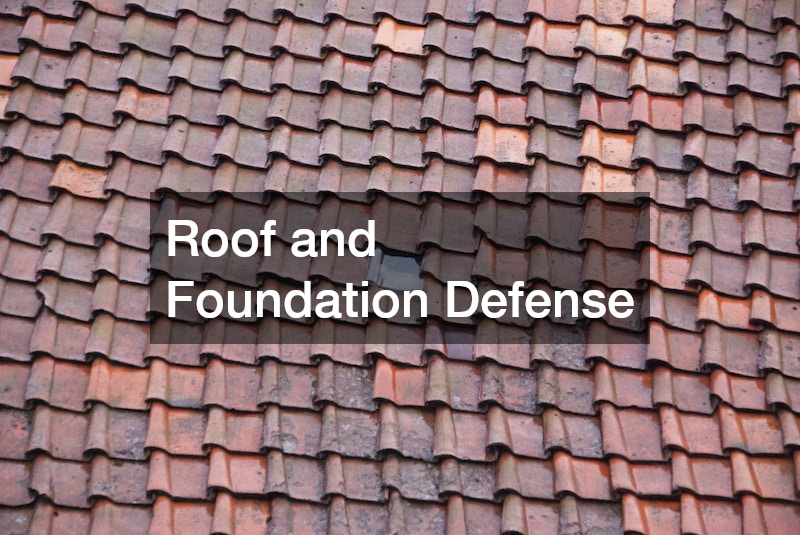
Simultaneously, you must look to the highest point of your property. A failing roof acts as a catalyst for a domino effect of household damage. Water leaking through compromised shingles will rot rafters, ruin attic insulation, and cascade down interior walls, destroying new paint and plaster. Hiring an experienced roofer to conduct a comprehensive inspection is paramount. They can identify hidden vulnerabilities like deteriorated flashing around chimneys, compromised valleys, and rotted decking boards that must be replaced before any secondary exterior work begins.
Inspection Checklists for the Structural Core
- Foundation Warning Signs: Look for horizontal or stair-step cracks in basement walls, efflorescence (white, powdery residue), standing water after heavy rain, or a musty odor in the lowest level of your home.
- Roof Evaluation Metrics: Check for curled, cracked, or missing shingles; bald spots where protective granules have washed away; sagging rooflines; and damaged fascia or soffit boards.
- Gutter and Downspout Functionality: Ensure your gutters are free of debris and that downspouts extend at least six feet away from your newly waterproofed foundation to prevent localized pooling.
Siding and Architectural Openings
Once your home is secure from water pooling at the base and leaking through the roof, it is time to focus on the vertical surfaces. The walls of your home represent its primary defense against wind, driving rain, and extreme temperature fluctuations. Upgrading these surfaces simultaneously allows you to optimize your home’s thermal envelope and lower utility bills.
The exterior walls and openings work in tandem. If you replace your siding without addressing aging windows, you miss a critical opportunity to properly flash the window openings. When these elements are coordinated, contractors can install a continuous house wrap barrier, tape all seams meticulously, and integrate flashing kits to create a truly airtight seal.
Investing in high-quality siding services ensures that your home is wrapped in durable, modern materials like fiber cement, engineered wood, or premium insulated vinyl. These materials offer exceptional resistance to rot, insect damage, and impact from hail, while vastly reducing the time and money spent on painting and ongoing maintenance.
While the walls are being addressed, coordinating a professional window installation service is the next logical step. Modern double- or triple-pane windows featuring low-emissivity (Low-E) glass coatings reflect infrared light, keeping heat inside during the winter and outside during the summer. By marrying new siding with precisely fitted window units, you eliminate structural drafts, mitigate the risk of hidden wall cavity rot, and instantly modernize the architectural aesthetic of your home.
Material Selection Strategy
- Fiber Cement: Highly durable, fire-resistant, and realistically mimics wood, though it requires specialized tools for installation and a higher upfront investment.
- Vinyl Siding: Cost-effective, low-maintenance, and available in insulated profiles that add an extra layer of thermal resistance to your exterior walls.
- Low-E Window Profiles: Prioritize units with argon or krypton gas fills between the panes to achieve optimal U-factor ratings, which measure the rate of heat transfer.
Hardscaping and Groundwork
With the home’s main structure fully sealed and insulated, the renovation focus can safely shift downward and outward to the property itself. This phase involves heavy earthwork, grading, and the creation of permanent, solid ground features. This work must occur before delicate landscaping is introduced, as it involves heavy machinery that can easily crush plants and compact topsoil.
Before pouring concrete or laying stone, a comprehensive site assessment is required to evaluate slope, soil type, and drainage pathways. Any major changes to your yard’s topography can alter how rainwater flows, potentially creating new puddles or directing water back toward your home’s foundation.
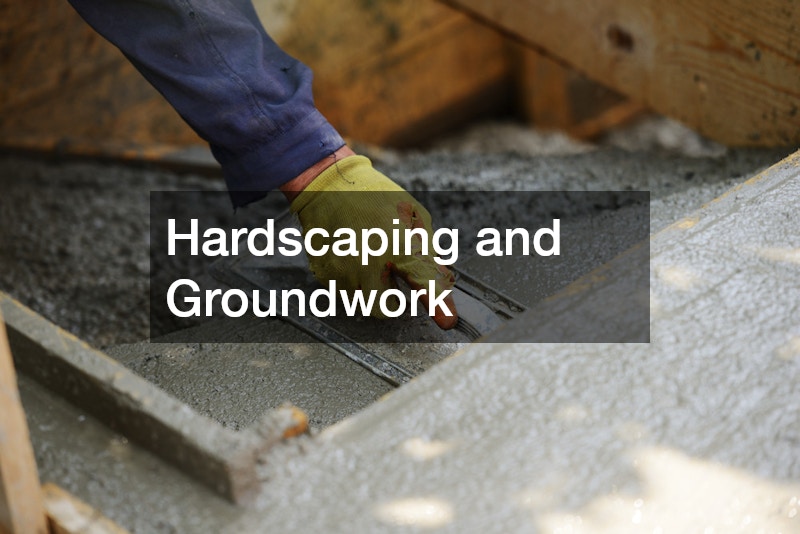
Integrating extensive hardscaping elements—such as stone retaining walls, engineered pavers, and durable concrete walkways—creates the structural backbone of your outdoor living space. These features delineate different zones of your yard, provide stable pathways for foot traffic, and prevent soil erosion on sloped areas of your property.
A major component of this groundwork involves functional vehicle access and heavy-load surfaces. Designing driveways and large parking pads requires deep excavation, aggregate base compaction, and precise pouring or paving. Partnering with reputable paving companies ensures that these high-traffic surfaces are built to withstand heavy vehicular weight, shifting freeze-thaw cycles, and years of weathering without cracking, sinking, or rutting.
Best Practices for Groundwork Success
- Sub-Base Preparation: Ensure your contractor excavates deeply enough to lay a minimum of four to six inches of compacted crushed stone beneath any paved or paver surface to guarantee stability.
- Pitch and Slope: All hard surfaces must be pitched at a minimum slope of a quarter-inch per foot away from all structural buildings to facilitate efficient water runoff.
- Utility Line Marking: Always utilize local utility locating services before any excavation begins to avoid damaging buried electrical, gas, or water lines.
Decks and Structural Additions
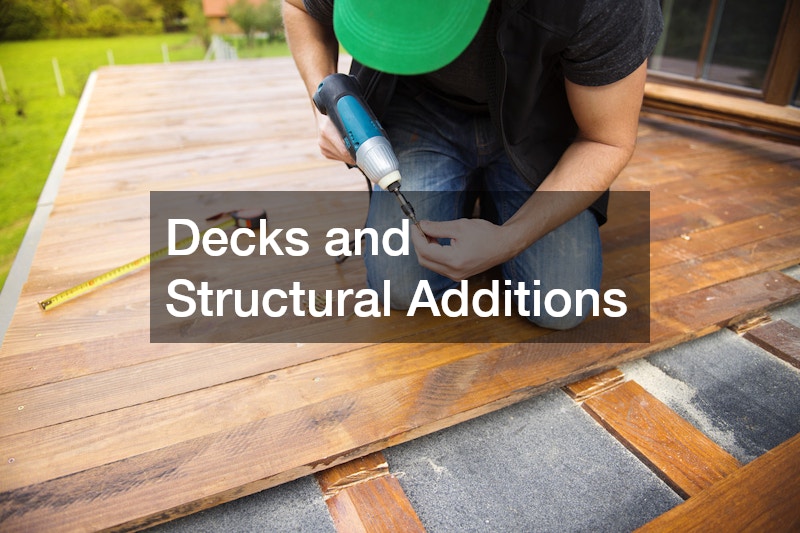
Now that your yard has been graded and the heavy infrastructure is securely in place, you can move on to building elevated and detached structures. These additions extend your usable square footage, bridging the gap between indoor comfort and outdoor recreation.
Outdoor living rooms, dining spaces, and entertainment zones are highly sought-after features that yield excellent returns on investment. When planning these spaces, consider your family’s lifestyle, the path of the sun throughout the day, and how these structures will connect visually with the rest of your home.
Engaging a skilled deck builder allows you to create an elevated platform tailored to your entertaining needs. Whether you select traditional pressure-treated lumber, exotic hardwoods, or low-maintenance composite decking, the structural footings must be poured below the frost line to prevent shifting. A well-designed deck serves as a seamless extension of your kitchen or living room, providing a dedicated space for dining, lounging, and gathering.
In addition to communal spaces, many homeowners find themselves in need of dedicated storage or specialized workspaces outside the main house. Consulting with professional shed builders can help you design a cohesive, detached outbuilding that matches the architectural style, siding color, and roofing material of your primary residence. Whether utilized as a garden tool depot, a home workshop, or a backyard studio, these structures keep your property organized and free up valuable space in your main garage or basement.
Key Planning Considerations for Structures
- Permits and Zoning: Always verify local property setbacks, maximum allowable square footage, and HOA regulations before ordering structural materials.
- Material Longevity: While composite decking carries a higher initial cost than wood, it eliminates the need for sanding, staining, and sealing, saving thousands of dollars over its lifespan.
- Footing Integrity: Ensure all structural posts are anchored to concrete piers that comply with local building codes regarding depth and diameter to prevent frost heaves.
Cultivating the Landscape
With all the heavy construction, framing, paving, and structural work finally complete, your property is ready for its final transformation. This phase focuses on softscaping—the living, green elements of your yard that soften the hard lines of construction and breathe life into your outdoor design.
The primary rule of softscaping is patience. Planting trees, shrubs, perennials, and laying sod should always be the absolute final step of an exterior renovation. Introducing plants any earlier exposes them to construction dust, physical damage from building materials, and accidental trampled root systems.
Executing professional landscape installations involves selecting a curated palette of flora that thrives in your specific microclimate, soil type, and sunlight conditions. Incorporating a smart mix of evergreen shrubs ensures your yard retains structure and color during the winter months, while perennial flowers offer rotating bursts of color from spring through autumn.
Furthermore, integrating comprehensive home remodeling services into your final phases allows for the seamless addition of exterior lighting, smart irrigation systems, and custom privacy features. Accent lighting under deck railings, uplighting on mature trees, and path lights along your walkways not only enhance safety but also dramatically extend the usability of your new outdoor spaces long into the evening hours.
Sustainable Landscaping Principles
- Native Plant Selection: Prioritize plants indigenous to your region; they require significantly less water, fewer fertilizers, and possess natural resistance to local pests.
- Mulching Strategies: Apply a three-inch layer of organic wood mulch around plantings to conserve soil moisture, regulate root temperatures, and naturally suppress weed growth.
- Hydrozoning: Group plants with similar water and sunlight requirements together to optimize irrigation efficiency and prevent over or underwatering.
Project Management, Budgeting, and Contractor Vetting

Executing a multi-phase exterior renovation requires meticulous organization and realistic financial planning. Without a centralized strategy, budgets can quickly spiral out of control, and communication breakdowns between different trade specialists can stall your progress. A successful budget maps out individual project costs while leaving room for the unexpected. When dealing with older homes, tearing off old siding or excavating around a foundation frequently reveals hidden damage, such as wood rot, pest infestations, or historical structural shortcuts that must be corrected to meet modern building codes.
- Phase 1: Structural Defense (25% – 30% of Budget): Focuses entirely on critical protective measures including roofing, foundation sealing, main gutters, and baseline grading.
- Phase 2: Building Envelope (30% – 35% of Budget): Dedicated to exterior insulation, siding replacement, and window upgrades to secure thermal performance.
- Phase 3: Infrastructure (15% – 20% of Budget): Allocation for permanent ground improvements such as driveways, major pathways, and stone retaining walls.
- Phase 4: Extensions & Living (15% – 20% of Budget): Covers recreational additions like custom decks, patios, structural outbuildings, and detached storage sheds.
- Phase 5: Softscaping (5% – 10% of Budget): The final investment reserved for planting, fresh sod, protective mulch beds, and ambient architectural lighting.
Vetting Specialized Professionals
While the temptation to hire a single handyman for every task can be strong, complex exterior renovations demand specialized expertise. Each phase of your renovation requires distinct technical skills, specialized machinery, and specific licensing.
When interviewing potential contractors, ask targeted questions about their experience with your specific scope of work. Request references from projects completed at least three to five years ago; this allows you to see how their craftsmanship withstands real-world weather patterns over time. Ensure every professional provides proof of current worker’s compensation and liability insurance, and verify that all proposed timelines, payment schedules, and material specifications are explicitly detailed in a signed, legally binding contract before any work commences on your property.
Transforming your home’s exterior is a rewarding journey that elevates your daily living experience and secures your property investment for decades to come. By approaching the process systematically—protecting your structural core, sealing the vertical envelope, establishing heavy ground infrastructure, constructing lifestyle spaces, and finishing with intentional landscaping—you eliminate redundant work and ensure every dollar spent builds upon the last. Take the time to plan your sequence, research materials, and partner with qualified, insured professionals who share your vision for a beautiful, resilient home.