Creating a home exterior that feels secure, inviting, and livable throughout the year is one of the most rewarding investments a homeowner can make. The right upgrades do more than add curb appeal. They help manage heat, improve visibility, reduce hazards, protect the home’s structure, and create spaces where people actually want to spend their time. Whether you’re focused on preventing accidents, expanding outdoor living areas, or reducing noise and environmental stressors, careful planning makes a tremendous difference.
A thoughtful approach means identifying the upgrades that solve current problems while supporting long-term goals. Homeowners often discover that improvements flow together: when one improvement increases shade, for instance, it can also boost comfort, protect surfaces, and reduce cooling expenses. Meanwhile, projects that enhance safety also tend to extend the life of the property and make it easier to maintain.
This guide explores a range of strategies designed to improve usability, protection, and day-to-day enjoyment. Each section looks at practical ways to make exterior spaces function better while keeping both people and property in mind. With the right plan, the outside of your home becomes an extension of the living space, not an area you simply walk past on your way indoors.
Strengthening Tree Health to Prevent Hazards
One of the most effective outdoor upgrades begins with the landscape itself. Trees provide shade, character, privacy, and natural cooling, but neglected growth can quickly become a safety concern. Branches that encroach on roofs, driveways, or neighbor properties increase the risk of damage during storms. Overgrowth can also block sightlines, reducing visibility around walkways and entrances. Incorporating regular care into your list of outdoor projects ensures trees remain assets rather than liabilities.
Routine inspections help identify weak points early. Professionals look for structural problems, insects, disease, and soil conditions that affect stability. Proper trimming encourages healthier growth patterns and allows more sunlight to filter through at safe angles. Homeowners often underestimate how much lighter and more open a yard can feel after targeted pruning, making everyday use more comfortable and inviting.
Strategic planning also considers how trees interact with hardscape. Roots can disrupt patios and sidewalks when not monitored, and excessive shade can keep surfaces damp, creating slip hazards. Thoughtful maintenance allows you to preserve the beauty of mature trees while protecting the surrounding environment.
Partnering with tree care services gives homeowners access to trained specialists who understand growth cycles and long-term safety concerns. Their expertise supports sustainable management, healthier shade, and a more resilient property — all while supporting broader goals for outdoor projects focused on comfort and protection.
Removing Unsafe Trees Before Storms Creates Emergencies
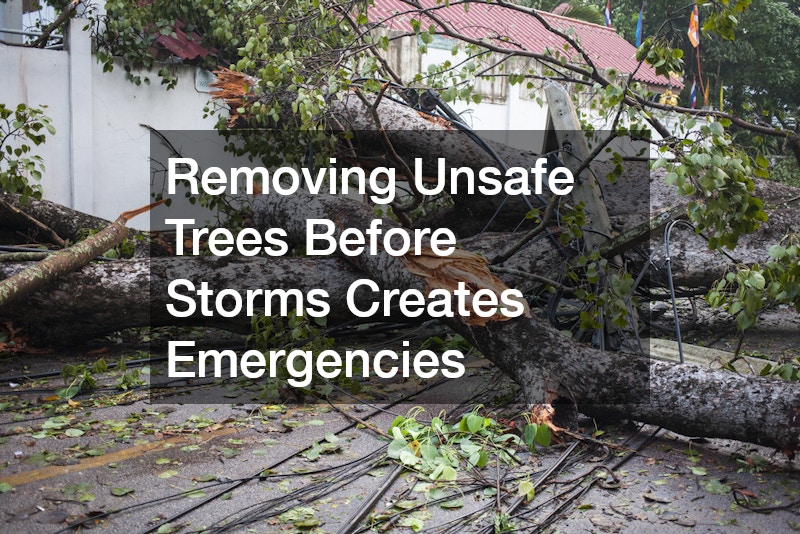
Sometimes a tree is simply beyond saving. Structural decay, pest infestation, or storm damage can make a large tree unstable, posing serious risks to vehicles, roofs, and anyone walking beneath it. Because failure is unpredictable, this becomes one of the most important outdoor projects when safety is the priority.
Early signs of trouble are not always obvious to an untrained eye. Hollow trunks, split bark, leaning growth, or heavy limbs extending over buildings may indicate imminent failure. In these situations, waiting can increase both danger and cost. Removing a compromised tree before it falls helps avoid emergency repairs and potential injuries.
Planning removal also allows homeowners to rethink how the space will function afterward. The newly opened area might become a garden, seating zone, or play area. Replacing an unsafe tree with a smaller species placed farther from structures can restore shade without the risks associated with oversized growth near buildings.
Because removal requires precision, equipment, and safety protocols, it should never be a do-it-yourself undertaking. Professional tree removal services evaluate fall paths, nearby utilities, and property constraints to ensure the process is controlled and responsible. Integrating this into larger outdoor projects supports both aesthetics and peace of mind, reducing the chance of costly disasters.
Renting Equipment to Make DIY Improvements More Efficient
Many homeowners enjoy handling projects themselves, from installing pavers to refreshing garden beds. However, tackling larger upgrades can stall when the right tools aren’t available. Renting equipment can bridge that gap and make ambitious plans achievable without the expense of full ownership. For families committed to a series of outdoor projects, access to reliable tools can dramatically streamline timelines.
Specialized equipment such as trenchers, power augers, tillers, compact loaders, and pressure washers helps complete tasks faster and with greater precision. Rather than improvising with the wrong tools, renting allows you to use professional-grade equipment chosen for the specific task. This reduces the risk of injury and helps ensure the results last.
Efficient equipment use also limits strain on both the homeowner and the property. Moving heavy materials, preparing bases for patios, or grading soil becomes far safer when handled with machinery designed for the job. That means fewer mistakes and less rework down the line.
Choosing the best rental yard for your needs makes all the difference. A knowledgeable staff can match equipment to project scope, explain proper operation, and recommend accessories that increase safety. Integrating rentals into your plan supports cost-effective, well-executed outdoor projects that feel professional — even when you’re the one holding the controls.

Assessing Environmental Impact Before Making Major Changes
Any major upgrade, from installing patios to expanding driveways, interacts with the surrounding environment in ways that may not be immediately visible. Drainage shifts, soil erosion, and habitat disruption can appear months after construction. Incorporating environmental planning into outdoor projects helps avoid unintended consequences while keeping you in compliance with local regulations.
Thoughtful evaluation considers how water flows during heavy rain, how new structures affect natural shade patterns, and whether improvements will impact neighboring properties. In some areas, even small grading changes can influence wetlands or protected areas. Understanding these relationships early keeps your project ethical, sustainable, and lawful. Environmental planning also supports long-term cost savings. For example, correctly placed vegetation can stabilize soil while reducing the need for artificial irrigation. Low-impact materials such as permeable pavers allow water to pass through instead of running off into storm drains. These decisions promote healthier outdoor spaces that remain functional for years.
Working with an environmental consultant provides homeowners with guidance tailored to local ecosystems and ordinances. They help evaluate plans before construction begins and suggest modifications that support both beauty and sustainability. By integrating environmental insight, your outdoor projects become more than aesthetic upgrades — they become responsible contributions to the land around your home.
Preventing Wildlife Damage Around the Property
In rural and semi-rural areas, wildlife management often becomes part of maintaining a safe yard. Animals searching for food can damage gardens, pull apart landscaping, and even threaten pets. While some visits are harmless, repeated intrusion can escalate into serious issues. Including humane wildlife prevention within your outdoor projects helps protect both your home and the surrounding ecosystem.
One common challenge in certain regions is damage caused by feral hogs, which can uproot soil, destroy lawns, and compromise small structures. Their strong rooting behavior leaves uneven ground that becomes hazardous for walking or playing. Managing situations like this requires targeted solutions designed with animal behavior in mind. Responsible wildlife management focuses on prevention rather than elimination. That means reinforcing weak points, securing trash, removing attractants, and installing barriers where necessary. When intervention is needed, humane capture handled by trained professionals ensures safety and legal compliance.
This is where experienced hog trap installers play an important role. They understand local regulations, animal habits, and placement strategies that reduce conflicts effectively. Integrating wildlife control into broader outdoor projects helps preserve landscaping investments, maintain safety, and promote coexistence with the natural environment surrounding your property.
Restoring Surfaces for Cleaner, Safer Gathering Areas
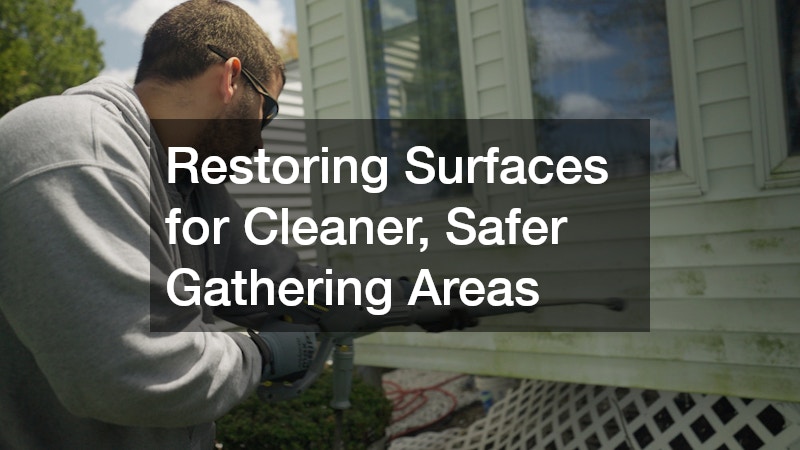
Over time, exterior surfaces collect grime, rust, paint layers, and corrosion. Walkways become slick, railings lose protective coatings, and decorative metal elements show discoloration. Besides diminishing visual appeal, buildup can create hazards — especially on steps, patios, and pool areas. Refreshing these surfaces is one of the most transformative outdoor projects because it combines safety with instant visual improvement.
Surface restoration prepares materials for new finishes that last longer and adhere more effectively. Removing contaminants exposes underlying structural issues so they can be repaired before they worsen. Proper preparation also reduces the likelihood of peeling, chipping, or future deterioration.
Unlike simple washing, abrasive blasting requires controlled pressure and expertise. The right method varies depending on whether you’re treating brick, concrete, metal, or stone. Working with professionals ensures that the surrounding landscaping, siding, and glass are protected during the process.
Hiring local sandblaster services allows homeowners to restore decks, railings, driveways, and decorative elements with precision. Clean, slip-resistant surfaces contribute to safer foot traffic and create a polished look that enhances outdoor gathering spaces. When combined with other outdoor projects, surface restoration becomes a key step in establishing both comfort and durability.
Simplifying Cleanup During Large Improvements
Large upgrades inevitably produce debris — old lumber, roofing scraps, broken concrete, packaging materials, and soil. Piling these items in the corners of the yard can attract pests, create tripping hazards, and delay progress. Efficient cleanup is one of the most overlooked outdoor projects, yet it directly impacts safety and workflow.
Designating disposal solutions from the start keeps the site organized and reduces stress. Instead of multiple small trips to local facilities, homeowners can keep work concentrated in one zone while maintaining a cleaner environment. This is particularly valuable when improvements stretch over multiple weekends or involve several phases. Effective debris management also protects neighbors and family members. Sharp edges, protruding nails, and bulky waste are easier to control when they’re contained. Keeping pathways clear helps everyone move around the property without worry, even during major renovations.
Arranging a dumpster rental service streamlines disposal so you can focus on the tasks at hand. The convenience of scheduled delivery and pickup makes cleanup predictable, and clear guidelines help ensure everything is handled responsibly. Building cleanup planning into outdoor projects keeps the yard functional while the transformation is underway.
Blocking Harsh Sunlight Without Closing Off the View
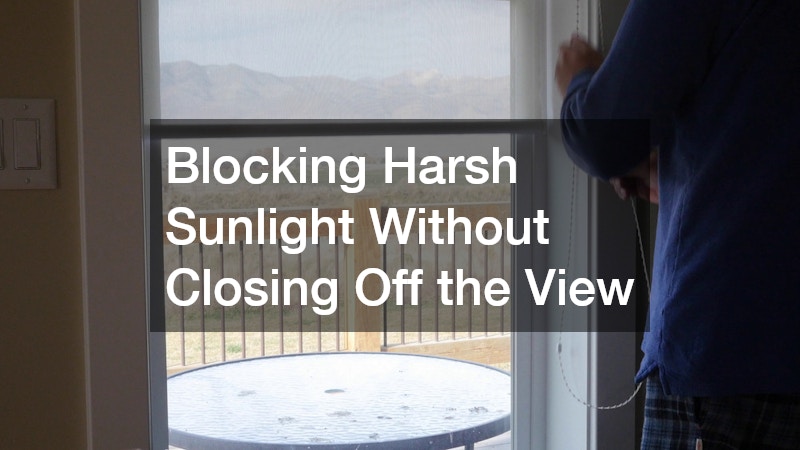
Shade is one of the biggest contributors to outdoor comfort. Direct sun raises ground temperatures, fades furniture, and makes patios uncomfortable during the hottest hours of the day. However, homeowners often hesitate to block views or darken interiors. The key is finding adaptable solutions that filter light rather than eliminate it. Among outdoor projects designed for comfort, shade enhancement delivers results you can feel immediately.
Adjustable systems allow families to control brightness at different times of day. Instead of relying solely on umbrellas or temporary fabric structures, permanent installations create reliable comfort without constant repositioning. They also reduce glare that travels through windows and causes indoor rooms to heat more quickly. Thoughtful shade placement protects skin, reduces energy usage, and extends the life of outdoor materials. In climates with intense sunlight, it can significantly improve how often outdoor spaces are used.
Installing solar shades offers an elegant balance between visibility and protection. They diffuse light, block harmful rays, and limit overheating while maintaining exterior views. When integrated alongside other outdoor projects, shade systems contribute to a cooler, more livable environment throughout the year.
Reducing Exterior Noise for Peaceful Outdoor Living
Noise pollution is a hidden barrier to enjoying yard spaces. Busy roads, nearby activity, or loud machinery can turn patios and decks into stressful environments rather than relaxing retreats. Incorporating noise-control solutions into outdoor projects helps homeowners reclaim tranquility without sacrificing access to fresh air and natural light.
Sound travels easily across open areas, bouncing off hard surfaces like concrete, siding, and fencing. Strategic barriers, landscaping choices, and upgraded openings can significantly dampen unwanted noise. Even subtle reductions create a noticeable difference during conversations, meals, and quiet evening relaxation. Improving noise control also benefits indoor spaces that face patios and decks. When exterior noise is reduced, bedrooms and living areas adjacent to outdoor environments become more restful. This kind of upgrade improves quality of life day and night.
One highly effective solution is upgrading to sound proof sliding glass doors that face noise-exposed areas. These systems insulate against both temperature and sound transfer, supporting a peaceful setting while maintaining natural views. When combined with broader outdoor projects, noise-reduction upgrades transform the entire property experience.
Protecting the Home and Outdoor Areas From Weather Damage
Finally, one of the most foundational upgrades for safety and comfort involves the home’s uppermost shield: its roof. A reliable roof protects gathering spaces, structural framing, and interior comfort from moisture intrusion and heat extremes. Overlooking roof condition can undermine even the most carefully planned outdoor projects, as leaks and storm damage often spread quickly.
Regular assessments catch cracked shingles, loose flashing, and aging materials before they cause widespread problems. Preventive maintenance helps maintain structural stability and supports energy efficiency by improving insulation performance. A well-maintained roof also contributes to shade by minimizing radiant heat that radiates into attics and outdoor seating areas.
When replacement becomes necessary, homeowners can select materials that better withstand local climate patterns. Modern systems offer greater wind resistance, reflective coatings, and improved durability, which translates into fewer repairs over time.
Partnering with professional roofing services ensures that inspections, repairs, and replacements are handled safely and correctly. With a strong roof in place, other outdoor projects — from patios to landscaping — have a dependable foundation that protects their long-term value.