Hiring a plumber can feel overwhelming, especially when faced with a variety of choices and services. Whether you’re dealing with a leaky faucet, a clogged drain, or a major plumbing installation, selecting the right professional is crucial to avoid costly mistakes. Asking the right questions upfront can save you time, money, and stress. This guide highlights key inquiries to make when hiring a plumber, ensuring quality service and peace of mind.
Are You Licensed and Insured?
One of the first questions to ask a plumber is whether they are licensed. Licensing is more than a formality—it ensures that the plumber has met specific state or local requirements, demonstrating their knowledge of plumbing codes and safety standards.
Licensed plumbers have undergone training and examinations to confirm their ability to perform plumbing work safely and effectively. In many regions, hiring an unlicensed plumber can leave you liable if accidents occur or if the work fails to meet building codes.
In addition to licensing, insurance is essential. A reputable plumber should carry both general liability insurance and workers’ compensation coverage. General liability protects you in the event of property damage caused by the plumber during the job, while workers’ compensation covers any injuries the plumber may sustain while working on your property. Asking for proof of insurance before hiring ensures that you won’t be held financially responsible for accidents or mistakes.
Before finalizing your decision, it’s wise to check if the plumber has a history of complaints or violations. Many states provide online databases where you can verify a plumber’s license and see if any disciplinary actions have been taken. Additionally, reading reviews from previous clients or consulting local consumer protection agencies can give insight into the plumber’s professionalism, reliability, and work quality. Taking these steps helps you avoid potential headaches and ensures you hire a trustworthy professional.
Do You Provide Written Estimates?
A written estimate is a fundamental part of the hiring process. It sets clear expectations for both parties and helps prevent misunderstandings about costs. Without a written quote, you may be at risk of unexpected charges or hidden fees. Always request a detailed estimate before any work begins to ensure transparency.
A comprehensive plumbing estimate should include several key elements: the scope of work, labor costs, materials, expected timelines, and any applicable warranties. Some estimates may also outline potential additional costs for unforeseen issues, which can help you budget effectively. Asking for these details protects you from surprises and ensures you understand exactly what services you are paying for.
When comparing estimates from multiple plumbers, don’t just focus on the price. Consider the level of detail, the quality of materials proposed, and the plumber’s responsiveness. A lower price may seem appealing, but it could indicate inferior materials or rushed workmanship. Taking the time to compare written estimates allows you to make an informed choice and select a plumber who offers the best balance of price, expertise, and reliability.
What is Your Experience and Expertise?
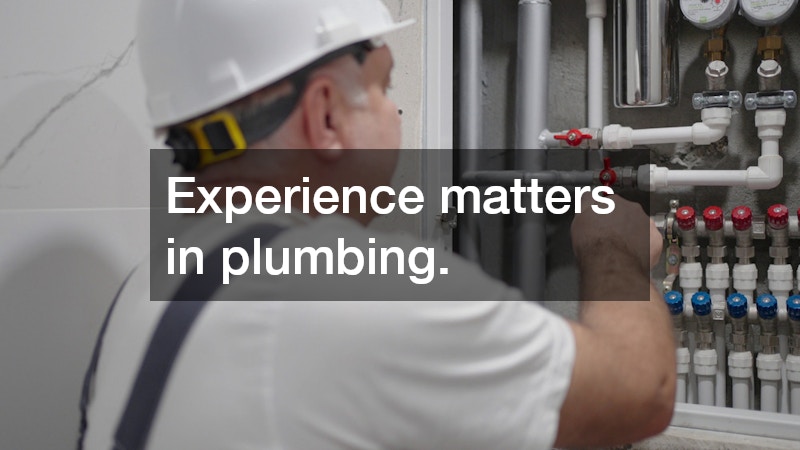
Experience matters in plumbing. Ask potential plumbers how long they have been in the business. While newer plumbers may offer competitive rates, seasoned professionals bring a depth of knowledge and problem-solving skills that can be invaluable, especially for complex issues. A plumber with years of experience has likely encountered a wide range of situations, which can translate into faster and more effective solutions for your home.
Plumbing encompasses many specialties, from residential repairs to commercial installations and emergency services. Ask whether the plumber has expertise in the type of work you need. For example, some residential plumbers focus on water heaters, pipe replacements, or leak detection, while others may specialize in emergency plumbing or remodeling projects. Ensuring the plumber has relevant experience increases the likelihood of a successful outcome.
Beyond general experience, additional training and certifications can set a plumber apart. Certifications in areas such as green plumbing, backflow prevention, or advanced pipe repair indicate ongoing professional development and a commitment to high standards. Don’t hesitate to ask about certifications or continuing education—these credentials often reflect a plumber’s dedication to staying current with industry best practices.
Hiring the right plumber requires more than a simple phone call. By asking questions about licensing, insurance, written estimates, experience, and specialized skills, you can confidently choose a professional who will handle your plumbing needs effectively. For homeowners, working with qualified residential plumbers ensures that your home’s plumbing system is in capable hands, minimizing risks and delivering lasting results. Taking the time to vet potential plumbers ultimately protects your investment and gives you peace of mind knowing the job will be done right.