
Property renovations offer an opportunity to improve a building’s appearance, functionality, comfort, and overall value. Whether updating an older home, modernizing a rental property, or transforming a commercial space, renovation projects can address existing problems while creating an environment that better supports the needs of its occupants. However, achieving the desired results requires more than choosing attractive finishes and planning a new layout. Every successful renovation involves several interconnected decisions that influence the project’s timeline, budget, quality, and long-term performance.
From evaluating the property’s current condition to selecting qualified professionals, property owners must consider how individual improvements will work together. Structural requirements, material choices, utility systems, accessibility, and exterior features can all affect the outcome. Understanding these considerations before work begins helps prevent unnecessary complications and makes it easier to prioritize improvements.
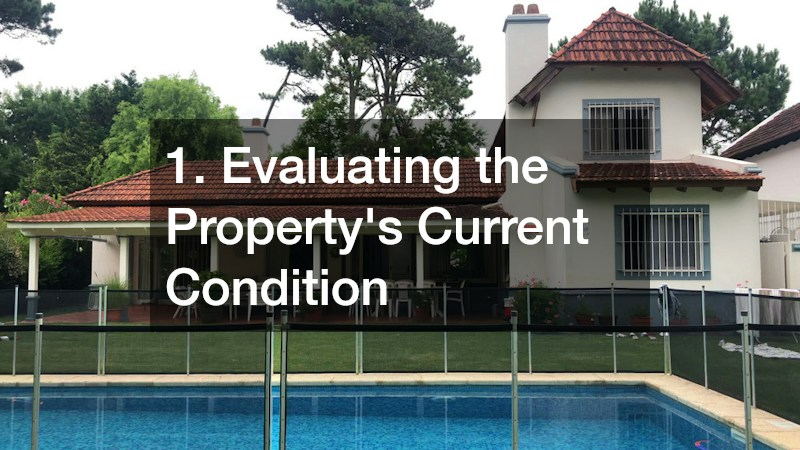
1. Evaluating the Property’s Current Condition
Before planning major improvements, property owners should understand the building’s existing condition. A thorough assessment provides insight into which areas need immediate attention and which features can remain in place. Without this initial evaluation, renovation plans may overlook problems that become more expensive to address once construction is underway.
Identifying Structural Concerns
Structural integrity should be among the first considerations during a renovation. Foundations, load-bearing walls, support beams, flooring systems, and roof structures all contribute to a building’s stability. Signs of deterioration, such as uneven floors, significant cracks, water damage, or sagging ceilings, may indicate problems that require professional attention.
Addressing these concerns early helps establish a reliable foundation for the rest of the project. For example, installing new flooring before resolving moisture problems beneath the surface could lead to premature damage. Similarly, changing a room’s layout may require structural modifications that affect walls, supports, or existing utility connections.
Property owners should consider professional inspections when the building’s condition is uncertain. Qualified inspectors and contractors can help identify potential issues and explain which repairs should take priority.
Reviewing Existing Systems
A property’s major systems deserve attention before cosmetic improvements begin. Electrical wiring, plumbing, heating, cooling, and ventilation can influence how comfortable and functional the finished space will be. Older buildings may contain outdated components that cannot adequately support modern appliances, equipment, or household demands.
Reviewing these systems also helps property owners avoid completing attractive upgrades around infrastructure that needs replacement. If electrical panels require improvements or plumbing connections need attention, incorporating that work into the renovation plan can reduce disruptions later.
2. Establishing a Practical Renovation Budget
Budget planning is another essential part of a successful renovation. Even relatively straightforward projects can involve unexpected expenses, particularly when contractors uncover hidden damage or outdated infrastructure. Establishing a realistic financial plan helps property owners make informed decisions throughout the process.
Accounting for Different Project Expenses
A renovation budget should include more than the cost of construction materials and labor. Permits, inspections, equipment rentals, waste removal, transportation, and finishing work can all contribute to the final expense. Property owners should also account for temporary accommodations or operational interruptions when renovating occupied residential or commercial properties.
For projects involving significant construction waste, local dumpster rental services can help manage debris throughout the renovation. Having an appropriate disposal arrangement makes it easier to maintain an organized worksite and avoid unnecessary interruptions caused by accumulating materials.
Storage may also become necessary when rooms are being renovated or existing furnishings need protection. Used storage containers can provide a practical option for keeping furniture, equipment, tools, and building supplies secure during construction. Their availability in different sizes can help accommodate projects with varying storage requirements.
Preparing for Unexpected Costs
Unexpected expenses are common in renovation projects. Removing old flooring might reveal damaged subfloors, while opening a wall could expose deteriorating plumbing or outdated electrical connections. These discoveries can affect both the budget and the construction schedule.
Setting aside a contingency fund gives property owners additional flexibility when unexpected repairs become necessary. The appropriate amount depends on the property’s age, condition, renovation complexity, and the level of uncertainty involved.
It is also important to distinguish between essential repairs and optional upgrades. When costs increase, structural improvements and necessary system replacements should generally take priority over decorative additions. Maintaining clear spending priorities helps keep the project focused on its most important objectives.

3. Choosing Qualified Renovation Professionals
The professionals involved in a renovation can significantly influence its quality and efficiency. Although some property owners may be tempted to choose contractors based primarily on price, qualifications, experience, communication, and project management capabilities deserve equal consideration.
Comparing Contractor Experience
Different renovation tasks require different areas of expertise. A general contractor may coordinate multiple aspects of a project, while specialized professionals handle roofing, electrical work, plumbing, flooring, and other individual services.
For example, property owners planning exterior improvements may need a paving contractor to handle driveways, walkways, parking areas, or other paved surfaces. The contractor’s experience with the property’s specific requirements can influence drainage, surface durability, and the finished appearance.
Roofing projects also require careful professional selection. Working with local roofing contractors can provide access to professionals familiar with regional weather conditions, common building requirements, and appropriate roofing materials. Their knowledge can help property owners evaluate whether repairs, replacement, or more extensive improvements are appropriate.
For properties requiring premium exterior upgrades, luxury roofing services may offer specialized materials and installation options that complement higher-end architectural designs. Selecting roofing features that work with the building’s structure and overall appearance helps create a cohesive result.
Reviewing Estimates and Communication
Before hiring a contractor, property owners should compare detailed estimates rather than relying exclusively on general price quotes. Estimates should clarify the expected scope of work, materials, labor, payment arrangements, and anticipated project duration.
Communication is equally important. Contractors should be willing to explain their recommendations, discuss potential challenges, and provide updates as work progresses. Clear expectations help prevent misunderstandings about responsibilities, scheduling, and project deliverables.
Property owners should also verify relevant licenses, insurance coverage, references, and previous work. Reviewing completed projects can provide a better understanding of a contractor’s workmanship and ability to deliver results that align with the property’s needs.
4. Improving Interior Appearance and Functionality
Interior renovations often have the most visible impact on a property’s everyday usability. Updating finishes, improving layouts, and selecting appropriate materials can make rooms more comfortable while supporting the building’s overall design.
Selecting Finishes and Materials
Material selection should account for appearance, durability, maintenance requirements, and the intended use of each room. For example, kitchens and bathrooms typically experience more moisture and frequent cleaning than bedrooms or living spaces. Their flooring, countertops, cabinetry, and wall finishes should reflect those conditions.
Color choices also influence how a renovated space feels. Lighter shades can make smaller rooms appear more open, while deeper colors may create a more dramatic atmosphere. Consistency between flooring, cabinetry, wall finishes, fixtures, and hardware helps establish a unified design.
Paint is another important consideration because it can transform a room without requiring extensive structural changes. Experienced interior painting contractors can help prepare surfaces, select appropriate finishes, and apply coatings that complement the property’s updated design. Proper preparation is particularly important when working with older walls that may have imperfections or previous layers of paint.
Creating More Functional Layouts
A renovation should improve how occupants use the space, not simply change its appearance. Property owners may consider opening up common areas, improving storage, repositioning fixtures, or creating designated spaces for work and relaxation.
Accessibility should also influence layout decisions. Wider pathways, convenient entryways, appropriately positioned fixtures, and improved transitions between rooms can make a property easier to use for people with different mobility requirements.
In some buildings, installing stair lifts may be an important accessibility improvement. These systems can help individuals move between floors without relying exclusively on stairs. Planning for accessibility during a larger renovation allows property owners to consider the necessary space, electrical requirements, and installation arrangements.

5. Addressing Plumbing, Water, and Utility Needs
Water and utility infrastructure often receives less attention than decorative upgrades, but these systems are essential to a property’s functionality. Renovation projects provide an opportunity to assess their condition and address problems before they interfere with newly improved spaces.
Evaluating Water Systems
Plumbing inspections can reveal leaks, corrosion, inadequate water pressure, and aging pipes. These issues may affect kitchens, bathrooms, laundry areas, and other spaces that depend on consistent water access.
Properties with private wells have additional considerations. Water delivery depends on properly functioning pumps, pressure tanks, electrical connections, and associated equipment. If a property requires new equipment or an upgraded water supply, professional water well pump installation services can help establish a system suited to its requirements.
Existing equipment should also be evaluated for signs of deterioration or inconsistent performance. Water pump repair may be necessary when a system experiences pressure fluctuations, unusual noises, frequent cycling, or other operational problems. Addressing these concerns as part of the renovation can help prevent future disruptions.
Coordinating Utility Improvements
Utility upgrades should be coordinated with the construction schedule. Plumbing and electrical work often needs to happen before walls are closed, flooring is installed, or cabinetry is secured. Planning these tasks in the correct order reduces the likelihood of removing completed finishes to access concealed connections.
Property owners should also consider how new appliances and equipment will affect existing utility capacity. A renovated kitchen, expanded bathroom, or additional living area may introduce demands that older systems were not designed to accommodate.
Working with qualified professionals helps determine whether existing infrastructure can support the planned improvements or whether upgrades should be included in the project.
6. Planning Heating, Cooling, and Energy Efficiency
Comfort and energy performance are important considerations when renovating residential and commercial properties. Heating and cooling systems influence indoor temperatures, air circulation, operating expenses, and the overall usability of individual rooms.
Choosing Appropriate Climate Control
The property’s size, layout, insulation, windows, and local climate all influence heating and cooling requirements. A system that works well in one building may not provide the same results in another.
For certain projects, a mini split air conditioner may offer a flexible climate-control option. These systems can provide heating and cooling in individual zones, making them worth considering when renovating additions, converted spaces, or rooms that need separate temperature control.
Property owners should consider equipment capacity and installation requirements before selecting a system. An appropriately sized unit can better accommodate the room’s characteristics and intended use.
Improving Building Efficiency
Energy efficiency involves more than replacing heating and cooling equipment. Insulation, air sealing, window performance, lighting, and ventilation can all influence how much energy a building uses.
Older windows and poorly insulated exterior walls may contribute to unwanted heat transfer. Addressing these areas during renovations can improve indoor comfort and reduce the workload placed on climate-control equipment.
Lighting upgrades can also contribute to a more efficient property. Replacing outdated fixtures with modern, energy-efficient options provides an opportunity to improve visibility while complementing the renovated interior.
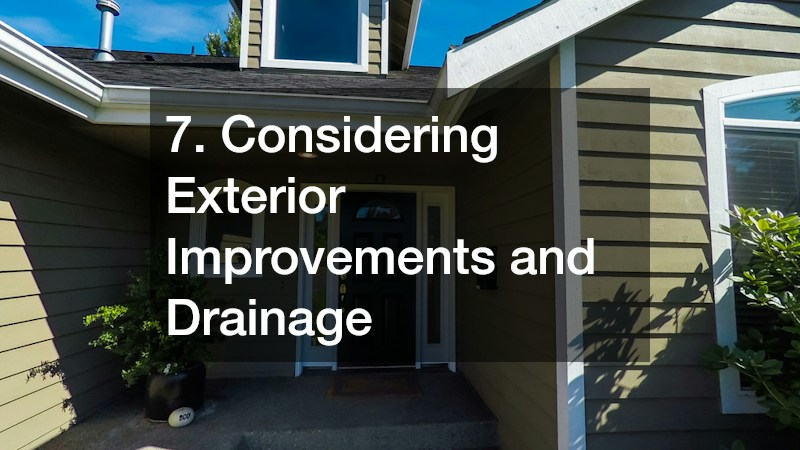
7. Considering Exterior Improvements and Drainage
The exterior of a property plays an important role in its appearance, protection, and long-term maintenance requirements. Renovations should account for how outdoor features interact with the building and surrounding landscape.
Updating Outdoor Surfaces
Driveways, walkways, patios, and parking areas should be evaluated for cracks, uneven surfaces, drainage concerns, and general deterioration. Improving these features can create a more polished appearance while making the property easier to access.
Material selection matters because outdoor surfaces must withstand weather exposure and regular use. Property owners should consider durability, maintenance requirements, traction, and compatibility with the existing architectural design.
Managing Water Around the Building
Drainage is another important exterior consideration. Poor water management can contribute to foundation moisture, erosion, landscaping damage, and problems in lower-level spaces.
Renovation plans should account for roof drainage, gutters, grading, downspouts, and the direction of surface runoff. Exterior improvements should work together to move water away from vulnerable areas rather than unintentionally directing it toward the building.
Landscaping should also be planned with maintenance and drainage in mind. Trees, shrubs, garden beds, and decorative features can improve the property’s appearance, but their placement should not interfere with drainage systems, foundations, or access points.
8. Understanding Permits, Regulations, and Scheduling
Administrative requirements are just as important as construction decisions. Depending on the project’s scope and location, renovations may require permits, inspections, approvals, or compliance with specific building regulations.
Confirming Local Requirements
Building codes establish requirements for areas such as structural modifications, electrical installations, plumbing, ventilation, and fire safety. Property owners should understand which regulations apply before beginning construction.
Permit requirements can vary depending on the property type and the work being completed. Structural changes, major electrical upgrades, additions, and certain mechanical installations may require approval from local authorities.
It is also important to consider zoning restrictions, property boundaries, historic preservation requirements, and homeowners association rules when applicable. Confirming these details early helps prevent delays and costly changes to the original renovation plans.
Developing a Realistic Timeline
A renovation schedule should account for the sequence of construction tasks and the availability of materials and professionals. Certain improvements cannot begin until earlier work has been completed and inspected.
For example, structural repairs and utility installations generally need to happen before finishing materials are applied. Painting, flooring, cabinetry, and fixture installation typically follow once the underlying work is ready.
Material delivery times and contractor availability can also influence the schedule. Maintaining communication with everyone involved helps property owners understand potential delays and adjust expectations when necessary.
9. Reviewing the Finished Renovation
Completing construction does not necessarily mean every project detail has been addressed. A final review helps confirm that the work meets the agreed-upon expectations and that important systems and features are functioning properly.
Inspecting Completed Work
Property owners should walk through the renovated areas with the appropriate contractors and review the completed work against the original project scope. This includes checking finishes, fixtures, flooring, cabinetry, doors, windows, and other installed features.
Major systems should also be tested. Plumbing fixtures, electrical components, heating and cooling equipment, and water systems should operate as expected. Any outstanding concerns should be documented and discussed with the responsible professionals.
Planning for Long-Term Maintenance
A successful renovation should deliver improvements that remain useful well beyond the project’s completion. Regular maintenance helps protect new materials, preserve equipment performance, and identify developing issues before they become more expensive problems.
Property owners should retain warranties, product information, inspection records, permits, and contractor documentation. Keeping these materials organized makes future maintenance and repairs easier to manage.
It is also helpful to establish a maintenance schedule based on the property’s specific features. Roofing inspections, HVAC servicing, plumbing evaluations, exterior cleaning, and drainage checks can all contribute to the building’s continued performance.
A successful property renovation depends on careful planning, informed decisions, and coordination between multiple areas of work. Evaluating the building’s condition, establishing a realistic budget, selecting qualified professionals, and addressing essential systems can help property owners avoid unnecessary complications. By considering functionality, appearance, efficiency, accessibility, and long-term maintenance together, renovation projects can create spaces that better support their intended use while protecting the property’s overall value.